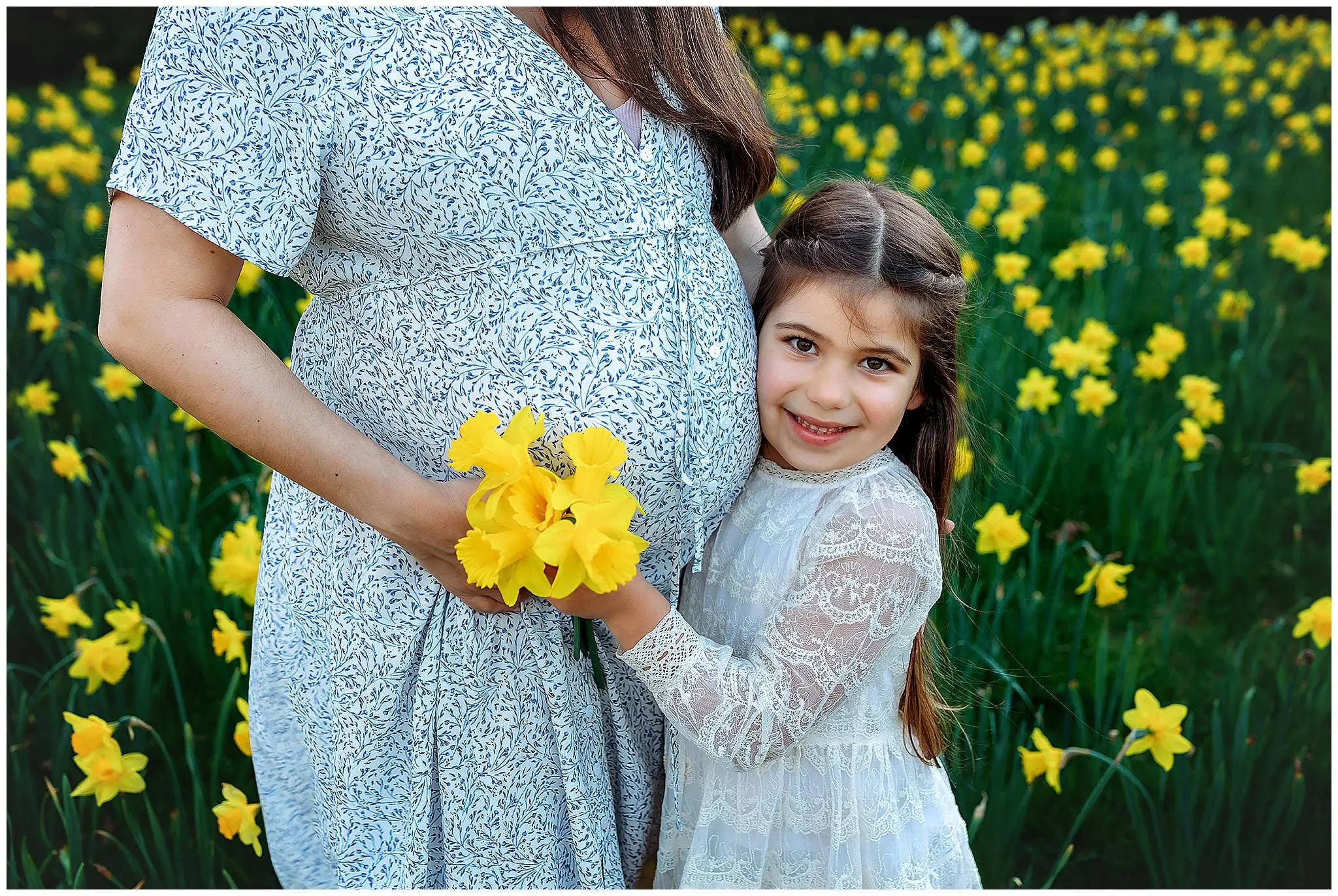

Pregnancy is such an exciting time! Between dreaming about what your baby will look like, shopping for the cutest little outfits, and getting the nursery ready, there is so much to look forward to. And if you’re anything like most expectant moms, your to-do list seems to grow a little longer every day.
As a mom of two, I know firsthand that preparing for a baby involves so much more than buying tiny clothes and decorating a nursery. My daughter came first, and my son followed about three and a half years later. And let me tell you, having a boy after a girl meant more than simply choosing a different color palette. I was starting over with new clothes, new baby items, and so many things I hadn’t needed to think about the first time around!
Of course, even if you’re welcoming another baby of the same sex, every little one brings their own needs, personality, and surprises.
After becoming a mom myself and spending years photographing newborns and their families here in Connecticut, I’ve learned that a little preparation can make those first few weeks feel much more manageable.
So, whether you’re expecting your first baby or adding another little one to your family, here are nine things I’d recommend doing before your baby arrives. Some might surprise you, and others may save you from a 2 AM shopping emergency!

1. Book Your Newborn Photographer Before Your Baby Arrives
You probably expected a photographer to make this list, right? But there’s a reason this is my first tip!
Those first days with your newborn go by in a blur. One minute you’re counting down the days until your due date, and the next you’re wondering how your tiny baby has already outgrown that adorable outfit.
If newborn photos are important to you, I recommend researching photographers and booking during pregnancy rather than waiting until after delivery.
At Ute-Christin Photography, my Milford, Connecticut studio specializes in posed newborn photography in a comfortable, welcoming environment. I provide the wraps, outfits, and props, so you don’t have to worry about bringing an entire suitcase of baby accessories.
I recommend scheduling your newborn session around your due date, with the ideal time for many traditional posed newborn sessions being approximately10–14 days after birth. If your baby arrives early or late, we can work together to determine the best timing.
And don’t worry if you’re already past that window! Beautiful newborn portraits can still be created as your baby grows.
My tip: Research your photographer, review their portfolio, understand their pricing, and reserve your session before your due date. You will have enough decisions to make once baby arrives!
Learn more about newborn photography at Ute-Christin Photography.

2. Organize Baby Clothes by Size, Season, and What You’ll Actually Use
Oh, the baby clothes! Is there anything cuter than a tiny newborn outfit? It’s incredibly easy to get carried away, especially when you discover just how many adorable options are available.
But before you wash every single outfit and carefully organize it in the nursery, take a moment to sort everything by size.
Newborn, 0–3 months, 3–6 months, and beyond are good starting categories. Keep seasonal clothing in mind, too. You don’t want to discover that the perfect summer outfit no longer fits when the warm weather finally arrives!
My own experience with two children about three and a half years apart taught me that having a second baby doesn’t necessarily mean you can reuse everything. Because I had a daughter first and then a son, I needed new clothes and plenty of other baby items. What I had saved wasn’t automatically going to work for our new arrival.
If you’re having another girl or another boy, you may be able to reuse more of your first child’s wardrobe and gear. Just remember that babies grow at different rates, and your second little one might have completely different needs.
My tip: Wash a manageable selection of clothes in advance, organize them by size, and keep the next size ready to go. You can store the rest until you need it.
And please don’t feel obligated to buy an entire boutique’s worth of newborn clothes. Babies grow quickly, and comfort beats an overflowing dresser every time.

3. Prepare Meals Before Your Baby Arrives
Let’s talk about something that doesn’t get nearly as much attention as nursery decor: food!
The early postpartum weeks are a time to recover, get to know your baby, and adjust to a very different routine. Cooking an elaborate dinner may be the last thing you feel like doing, especially when you’re running on interrupted sleep.
This is where a little advance planning can make a huge difference.
Consider preparing a few freezer meals during your third trimester. Soups, casseroles, lasagna, and other easy-to-reheat dishes are great options. You don’t need to fill an entire freezer, either. Even a few meals can take pressure off those first busy weeks.
If cooking isn’t appealing right now, add meal delivery gift cards or restaurant gift cards to your baby registry. Friends and family often want to help, and a ready-made dinner can be far more useful than another adorable stuffed animal.
My tip: Create a short list of easy meals you enjoy, stock up on a few convenient snacks, and ask your support system for help with groceries or dinner.
And remember, taking care of yourself matters, too. Your job after giving birth is not to prove how quickly you can return to your regular routine.

4. Pack Your Hospital Bag Earlier Than You Think You Need To
You might feel as though your due date is ages away, until suddenly it isn’t!
Packing your hospital bag ahead of time means one less thing to worry about when labor begins. A practical goal is to have it ready around 34–36 weeks, or earlier if your healthcare provider recommends it.
Here are some things to consider packing:
- Comfortable clothing and pajamas.
- Toiletries, lip balm, and hair ties.
- Phone charger and any personal comfort items.
- Clothes for going home.
- Baby’s going-home outfit.
- A properly installed infant car seat.
- Any paperwork or items your hospital recommends.
You may also want to bring a few snacks, a reusable water bottle, and something that helps you feel comfortable and relaxed.
Check your hospital’s own recommendations before packing. You may not need nearly as much as social media makes it seem!
My tip: Keep your bag somewhere easy to find and let your partner know exactly where it is. A perfectly packed bag is much less helpful if nobody can locate it when you need to leave.

5. Make Your Home Newborn-Ready Without Trying to Make It Perfect
Pinterest can make preparing for a baby look like an interior design competition. Beautiful nursery, perfectly coordinated baskets, matching labels, and not a single item out of place.
Real life? A little different.
You don’t need a picture-perfect home to welcome your baby. What you need is a setup that makes everyday tasks easier.
Think about where you’ll change diapers, feed your baby, store supplies, and keep essentials within reach. You may want a small basket with diapers, wipes, burp cloths, and a spare outfit in the rooms where you spend the most time.
You also don’t need a fully decorated nursery before your baby arrives. Focus first on a safe sleeping space and the essentials you’ll use daily. The finishing touches can come later.
For sleep, follow current safe-sleep guidance: place your baby on their back on a firm, flat sleep surface with only a fitted sheet and no loose blankets, pillows, or stuffed animals.
My tip: Walk through your home and imagine your typical day with a newborn. Where would you want a diaper? A burp cloth? A bottle of water for yourself? Small conveniences can make a surprisingly big difference.

6. Don’t Forget About Your Own Support System
Preparing for a baby often means thinking about everyone else’s needs before the baby even arrives. But who is taking care of you?
The first few weeks can bring a mix of excitement, exhaustion, recovery, and emotions you may not have anticipated. Having people you can rely on is important.
Talk with your partner, family, or close friends before the baby arrives. Discuss what kind of help would be useful, whether that’s preparing meals, running errands, helping with an older sibling, or simply keeping you company.
You may also want to explore postpartum doulas, lactation support, local parenting groups, or other resources available in your Connecticut community.
If this is your second baby, remember that your older child is adjusting, too. Even when they are excited about the new arrival, their everyday routine and your attention will change. A little extra one-on-one time can help them feel included.
And if you’re a first-time mom, don’t feel that you need to figure everything out alone. Asking for help is not a sign that you’re struggling to do it all. It’s a way of making this transition easier for everyone.
My tip: Before your due date, make a short list of people you can call and specific ways they can help. “Could you bring dinner on Tuesday?” is often easier for someone to act on than “Let me know if you need anything.”

7. Prepare for the Unexpected (Because Babies Have Their Own Plans!)
You can organize every drawer, wash every onesie, and carefully plan your first month at home. And then your baby arrives with a schedule of their own!
One of the most helpful things you can do before birth is accept that not everything will go according to plan.
Your baby may arrive earlier or later than expected. Feeding may take time to establish. You may discover that the item you thought you absolutely needed is hardly used, while something you almost forgot to buy becomes indispensable.
Try to leave some flexibility in your plans and avoid filling your calendar immediately after delivery.
If you have pets, prepare them for the change in routine, too. Introduce baby-related sounds and equipment gradually, and always supervise interactions between pets and your newborn. Never leave a baby alone with an animal.
If you already have an older child, think about how you’ll handle the transition home, childcare during labor, and the first few days as a new family.
My tip: Focus on the essentials rather than trying to anticipate every possible situation. You can purchase additional supplies and adjust your routine as you learn what works for your family.

8. Find Ways to Get Out of the House Once You’re Ready
At first, you may be perfectly happy staying home and soaking up those newborn cuddles. And that’s wonderful!
Eventually, though, you may want a change of scenery, a little fresh air, or a reason to put on something other than pajamas.
You don’t need to plan big outings. A short walk, a visit with a friend, or a quiet coffee outing can be enough when you’re feeling ready.
Here in Connecticut, there are plenty of opportunities to enjoy the outdoors and explore local communities with your baby. Depending on the season, you might enjoy a peaceful park walk or a visit to a local library’s baby storytime.
Before heading out, make sure you have the basics packed: diapers, wipes, a change of clothes, feeding supplies as needed, and anything else your baby requires. Check the weather, dress your little one appropriately, and follow your healthcare provider’s guidance about outings and visitors.
My tip: Keep your diaper bag stocked with the essentials so you don’t have to repack it from scratch every time. And give yourself permission to turn around and go home if the outing isn’t going as planned. There is always another day!

9. Make Time to Capture the Little Details
As a newborn photographer, I spend my days photographing the tiny details that parents want to remember forever: delicate eyelashes, little fingers, sleepy expressions, and the way a newborn curls up so naturally.
But I’m also a mom, and I know how quickly those early days become memories.
You might think you’ll remember exactly how small your baby was, how they fit into your arms, or how their tiny fingers wrapped around yours. And you probably will remember pieces of it. But photographs give you something tangible to return to as the years pass.
You don’t need a professional camera to document your baby’s everyday life. Take pictures of the ordinary moments, too. The first time you hold your baby at home, those tiny toes during a diaper change, or a quiet cuddle on the couch can become some of your favorite memories.
And if you’d love professional newborn portraits, that’s where I come in!
At Ute-Christin Photography in Milford, Connecticut, I create posed newborn portraits in a relaxed studio environment, with wraps, outfits, and props provided. My goal is to make the experience enjoyable for your family while creating beautiful photographs you’ll treasure for years.
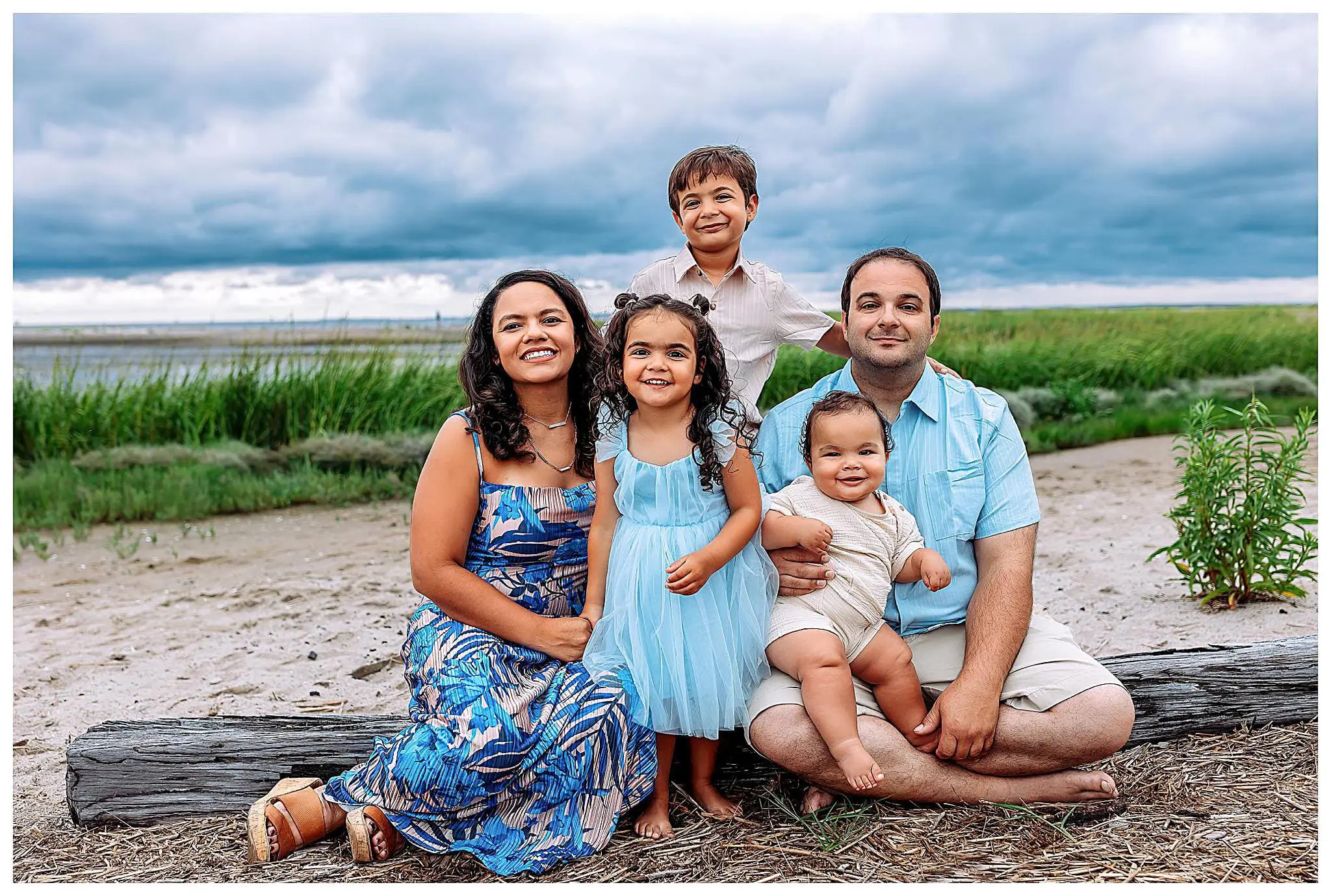
Whether you’re welcoming your first baby or adding another little personality to your family, these portraits become part of your family’s story.
My tip: If newborn photography is on your wish list, start researching photographers while you’re pregnant. You can enjoy those first days with your baby without scrambling to find someone at the last minute.
Explore the newborn photography portfolio at Ute-Christin Photography

Final Thoughts: You Don’t Have to Have Everything Figured Out
Preparing for a baby is exciting, emotional, and sometimes a little overwhelming. There’s always another list to check, another product to research, or another piece of advice to consider.
But here’s what I hope you’ll remember: you don’t need a perfect nursery, every baby product on the market, or a flawless plan to be ready to welcome your little one.
Prepare the essentials, make room for flexibility, accept help when it’s offered, and give yourself time to adjust.
As a mom of two, I know that even when you’ve done this before, a new baby brings a new chapter. And as a Connecticut newborn photographer, I feel incredibly lucky to help families preserve the beginning of those chapters through beautiful newborn portraits.
If you’re expecting and looking for a Connecticut newborn photographer, I’d love to help you plan your session!
Because the baby days may feel long sometimes, but the years really do fly by.
Congratulations on your growing family!